
 On one side, consumption taxes continue to rise, regulations are tightening, and proposals for a full ban are advancing. On the other side, the gray market still holds a significant share, and the overall market size continues to grow. The Russian e-liquid market is showing a paradoxical structural feature: tightening regulation coexists with market growth.
Market Overview: A Growing Alternative Nicotine Market
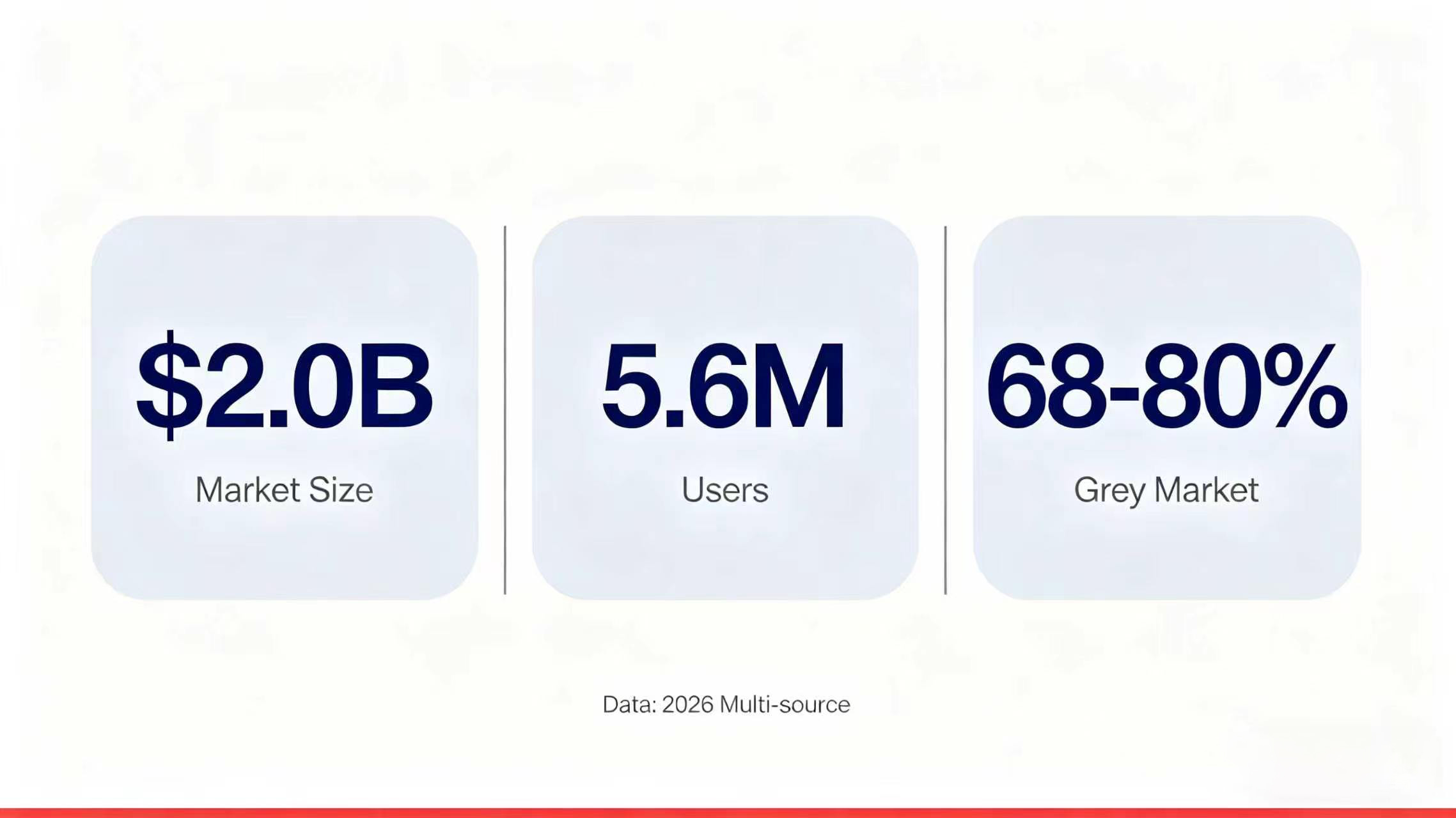
According to multi-source data, the Russian e-liquid market is estimated at approximately $2 billion in 2026, with around 5.6 million users. Against a backdrop of 35–40 million adult smokers, electronic cigarettes continue to penetrate the market steadily.
Bottled e-liquid accounts for 30%-40% of the overall market, primarily serving open-system users and offering greater complexity and flexibility compared to disposables.
However, the market is not entirely dominated by the compliant system. Industry estimates suggest the gray market share ranges from 60%-80%, making it a core factor influencing pricing and channel structures.
Regulatory Environment: Tightening Trends and Policy Uncertainty
The Russian e-liquid market has long operated under a “regulated framework with uneven enforcement,” which has contributed to the formation of a gray circulation system. In 2026, regulation has clearly intensified and become more systematic.
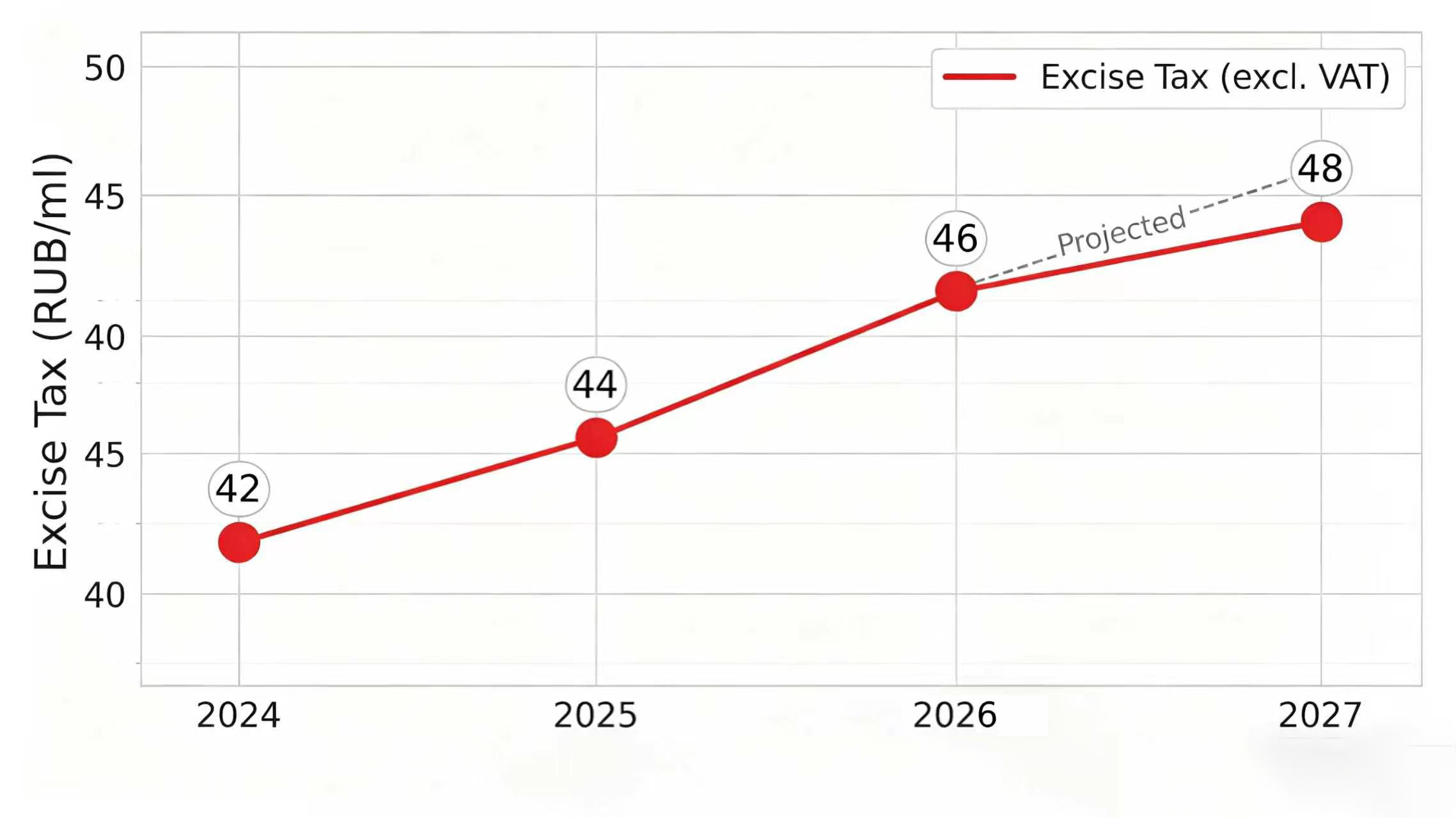
- Taxation: E-liquid consumption tax continues to rise, from 42 RUB/ml in 2024 to 46 RUB/ml in 2026, with plans to increase to 48 RUB/ml in 2027, plus 20% VAT.
- Traceability: The Data Matrix / Chestny ZNAK digital traceability system is now mandatory.
- Channels: Online sales are fully banned; products are restricted to offline channels.
- Policy Signal: A full ban proposal has received support from the national committee but has not yet been legislated.
Market Structure: Price and Channel Differentiation Under Gray Market Dominance
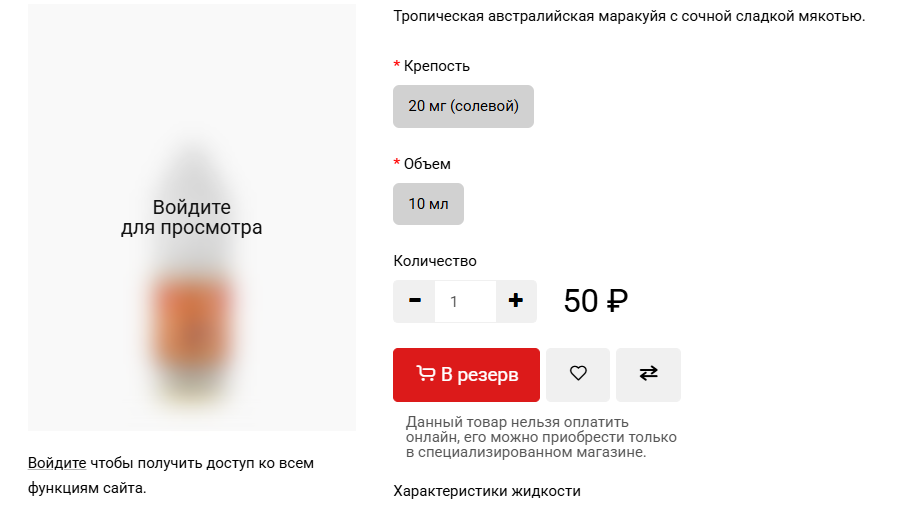
Under high taxes and strict regulation, the market shows clear structural differentiation. The gray market maintains dominance through tax avoidance, with typical product prices as low as 5 RUB/ml, while compliant products face consumption tax costs exceeding 46 RUB/ml — creating nearly a tenfold cost gap.
Offline vape shops remain the core network for compliant sales, with approximately 20,000 points nationwide. At the same time, multiple online vape retail sites continue to operate, keeping gray market transactions active.
Consumer Preferences: Highly Stable Flavor Structure
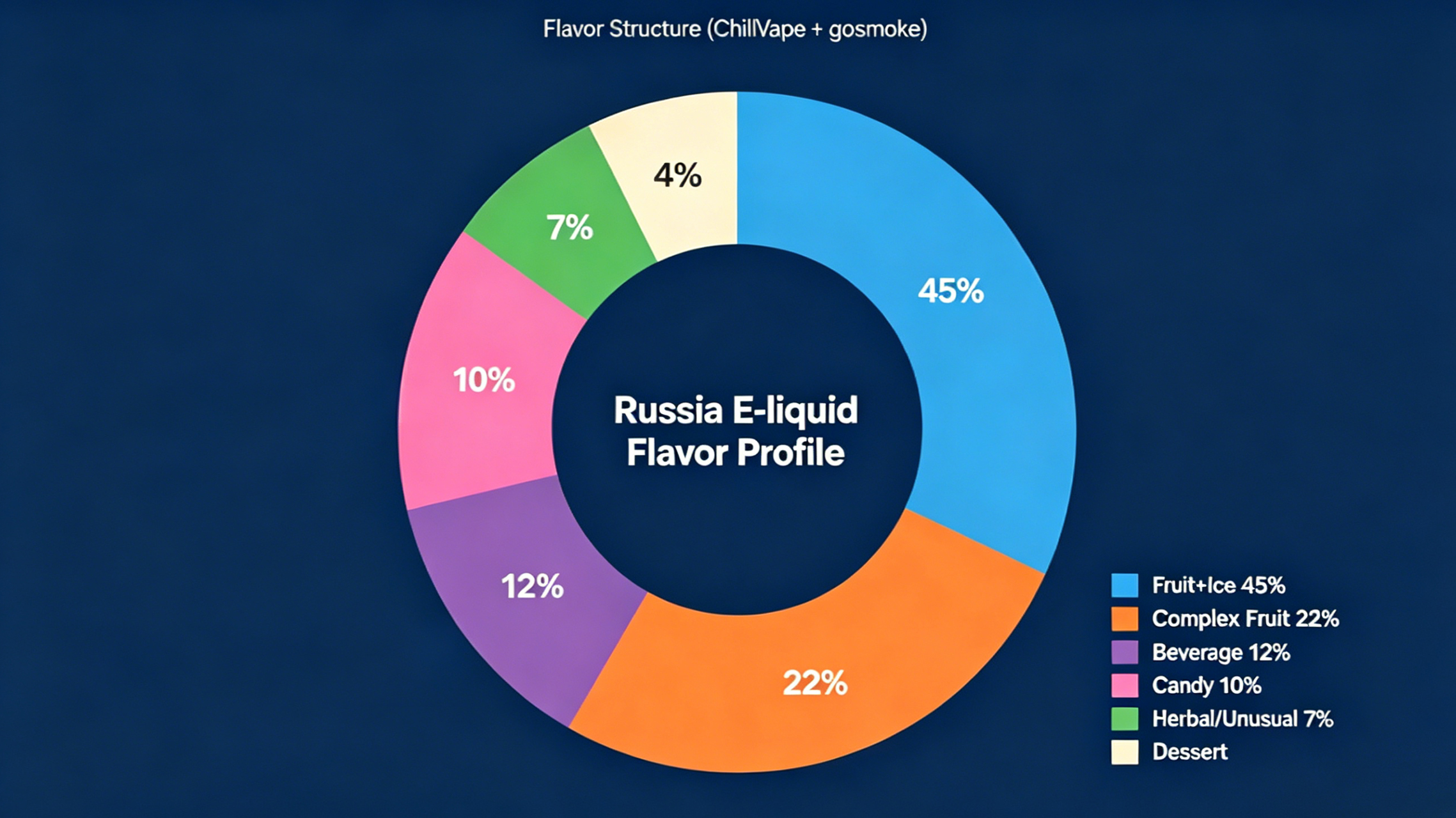
Compared to policy uncertainty, consumer preferences in Russia show strong consistency:
- Ice has become a basic attribute and is almost a default option.
- Complex flavors dominate, typically “double fruit + ice” or “fruit + beverage + ice”.
- Sour systems perform strongly, with products like Sour Berry and Sour Citrus enjoying high acceptance.
- Localized unconventional flavors (e.g., pine needle, tarragon, herbal) have higher acceptance in Russia than in Europe and America.
Product Structure: Large Capacity and High Flexibility Coexist
The Russian bottled e-liquid market is highly diversified:
- Nicotine systems include nicotine salts, freebase, hybrid, and Nikobooster DIY.
- High VG (≥70%) is mainstream for open-system users.
- Common capacities are 30ml, 60ml, and 100ml, differing significantly from the European TPD system.
Competition Landscape: Highly Fragmented Brand Ecosystem
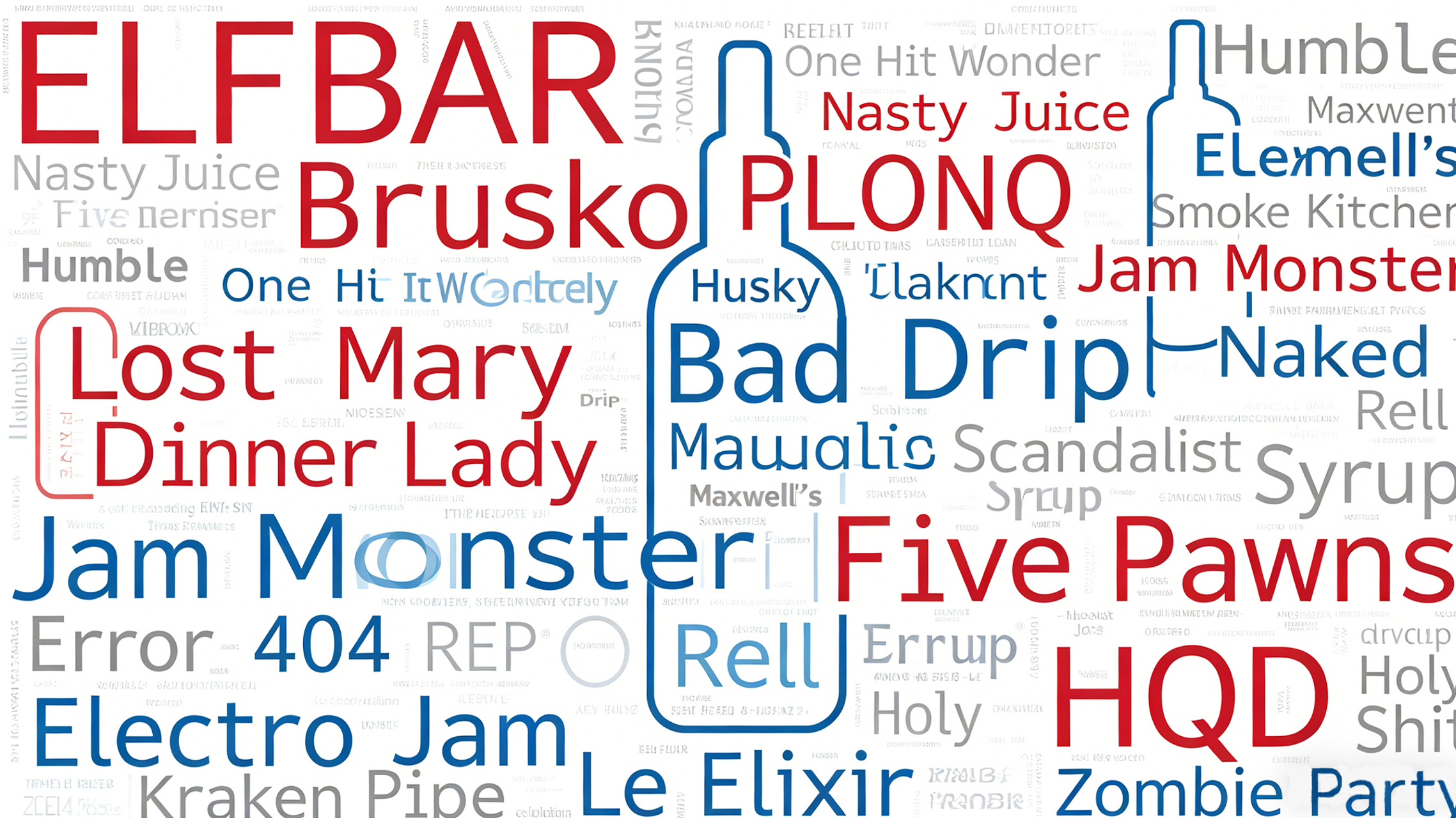
The Russian bottled e-liquid market has over 200 brands and is highly fragmented. Competition focuses on product structure, channel capabilities, and update efficiency rather than monopoly.
Strategic Outlook: From Scale Expansion to Structural Competition
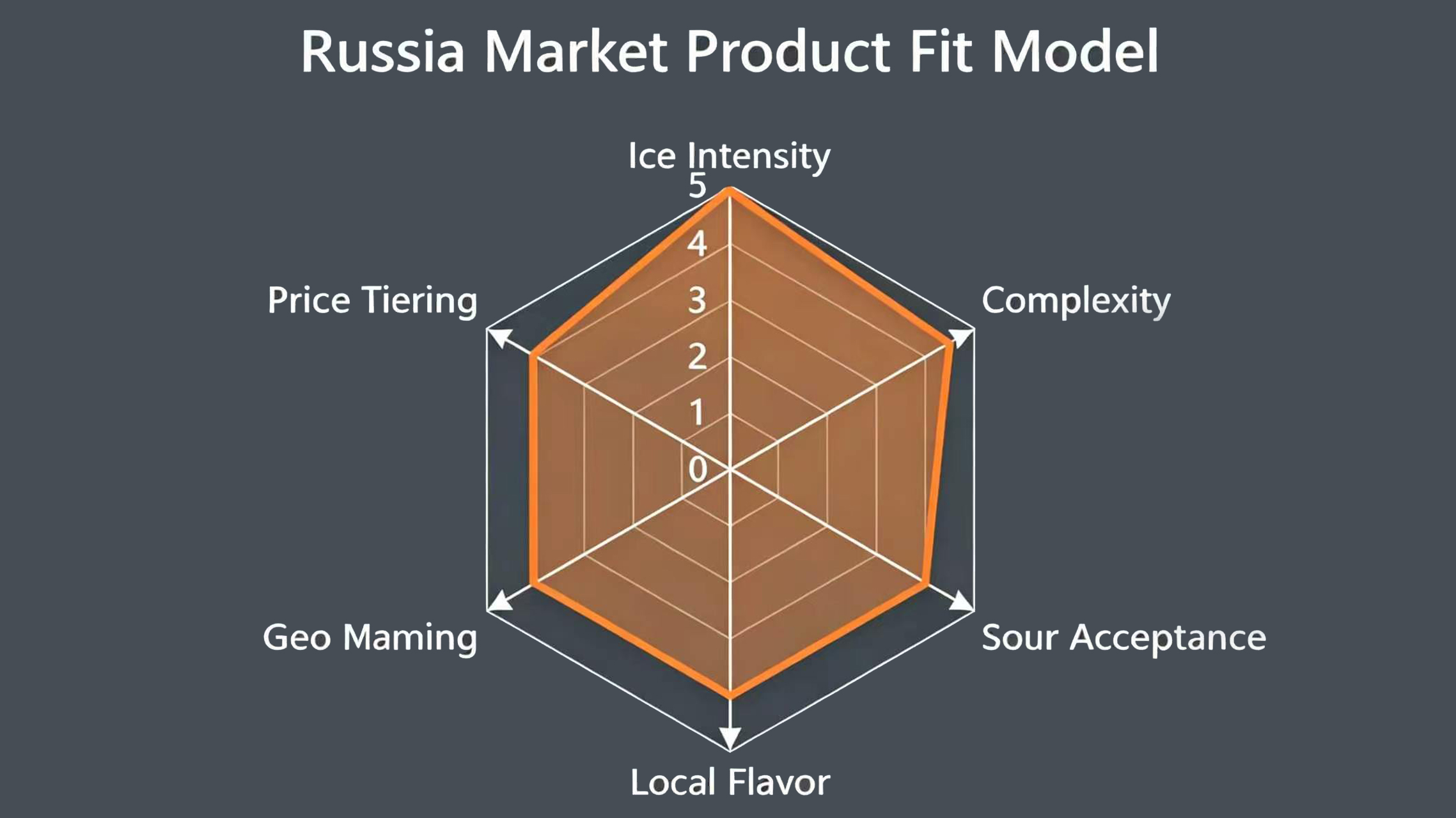
Under continued regulatory strengthening, the Russian e-liquid market is shifting from scale growth to structural adjustment.
Policy remains the biggest variable in the short term. However, the core market logic is clear: ice as the foundation, complex flavors as the mainstream, sour as an enhancer, and localized flavors providing differentiation.
In this context, competitive advantage is moving from single-product capability to systemic capabilities: product portfolio, pricing adaptation, supply chain stability, and local consumer insight.
Conclusion
Under high regulatory pressure and gray market coexistence, the Russian bottled e-liquid market has not contracted but has formed a stable and analyzable operational structure.
For industry participants, this is not a simple market, but one with clear logic. The real opportunity lies not in avoiding uncertainty, but in building certainty within it.
To obtain the full “2026 Russia Bottled E-Liquid Market Analysis Report” or discuss market strategies and product opportunities with us, please feel free to contact:
YTOO – Professional E-Liquid Manufacturer White Label | Bulk E-Liquid | Custom Formulations
Email: info@ytoojuice.com Website: www.ytoojuice.com
Your Taste, Our Obsession.