
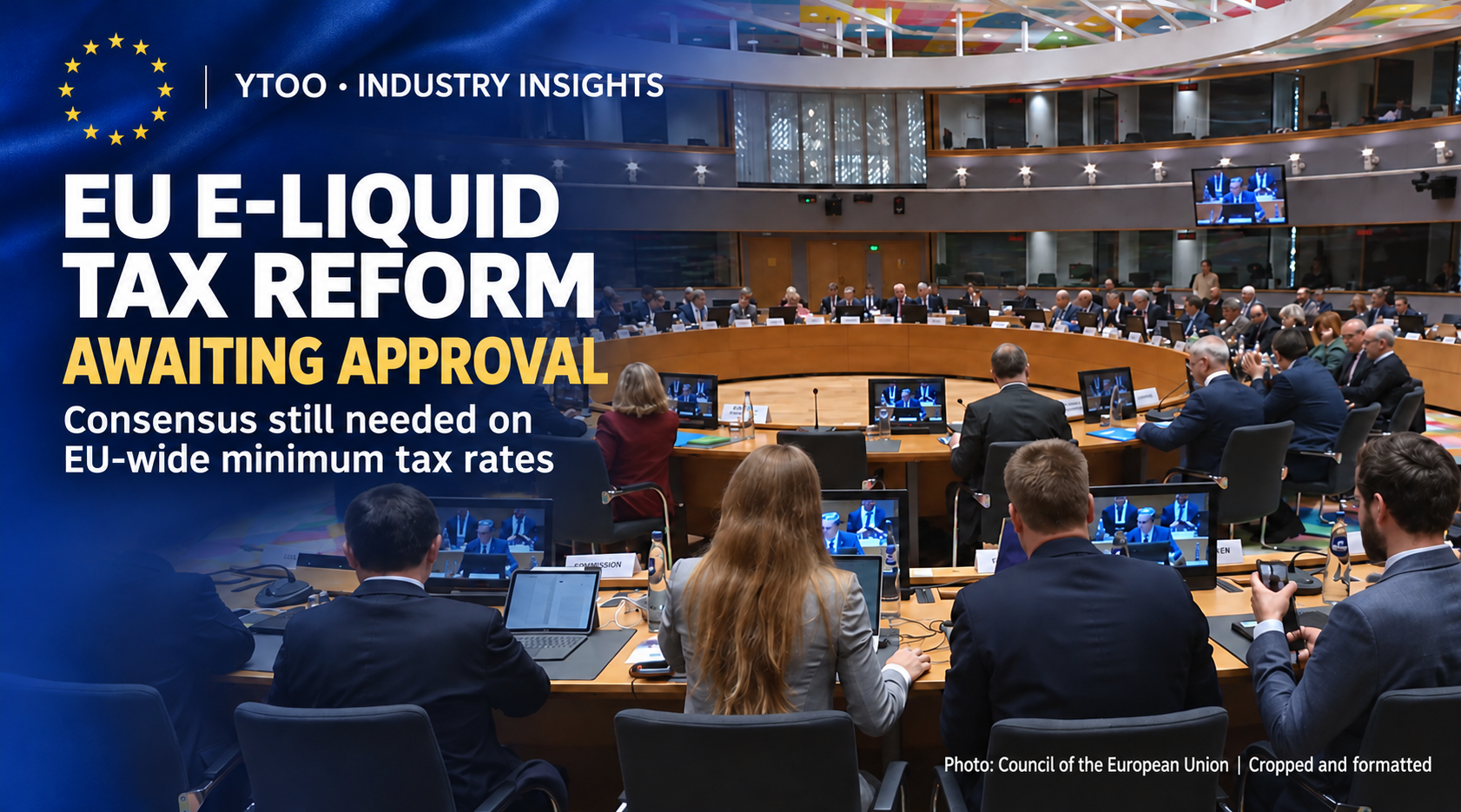
 On November 9, the European Union’s Economic and Financial Affairs Council (ECOFIN) convened in Brussels to discuss a major reform of the tobacco taxation system.
The proposed reform aimed to raise minimum excise duties on traditional tobacco products and, for the first time, bring e-liquids, heated tobacco, and nicotine pouches into a unified EU minimum excise framework. However, an agreement was not reached on the day.
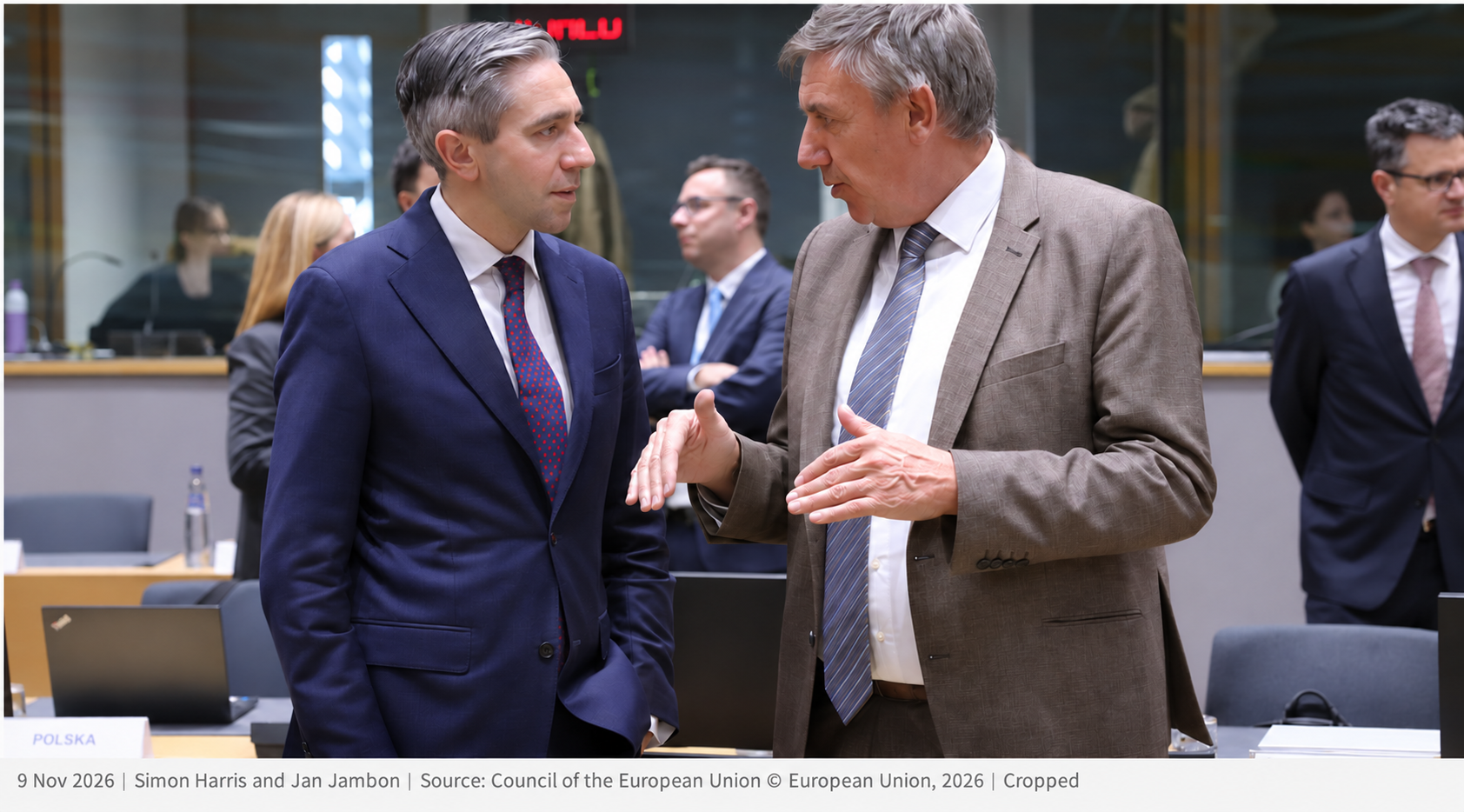
Following the meeting, Irish Finance Minister and ECOFIN President Simon Harris stated that 26 of the 27 member states supported the current text, but Malta withheld its agreement. Since EU excise legislation requires unanimous approval from the Council, the proposal has not yet been adopted.
The Dispute: How High Should the Minimum Tax Be?
The current EU Tobacco Tax Directive does not set a unified minimum excise duty for e-liquids. While many member states have introduced their own taxes, the rates, calculation methods, and implementation timelines vary significantly.
This reform seeks to establish a common minimum threshold, while allowing member states to impose higher rates above this baseline. The goal is to unify the minimum requirement, not to force all countries to adopt identical rates.
According to the compromise text submitted for the November 9 meeting, both nicotine and 0mg e-liquids would be subject to the same phased-in minimum tax schedule:
| Applicable Period | Ad Valorem Rate or Specific Tax Base |
|---|---|
| July 1, 2028 – Dec 31, 2029 | 20% of the retail selling price (incl. all taxes), or €0.20/ml |
| Jan 1, 2030 – Dec 31, 2031 | 20% of the retail selling price (incl. all taxes), or €0.25/ml |
| From 2032 onwards | 30% of the retail selling price (incl. all taxes), or €0.36/ml |
Member states may apply an ad valorem tax, a specific tax per milliliter, or a combination of both. These Euro amounts represent EU tax benchmarks in the text; the actual applicable minimum amounts are subject to adjustment mechanisms and should not be viewed as the final tax rates of individual countries.
Currently, these arrangements are negotiation texts, not enacted legislation. Final rates, transition periods, and implementation schedules will depend on the officially adopted document.
Why Malta Remains Hesitant
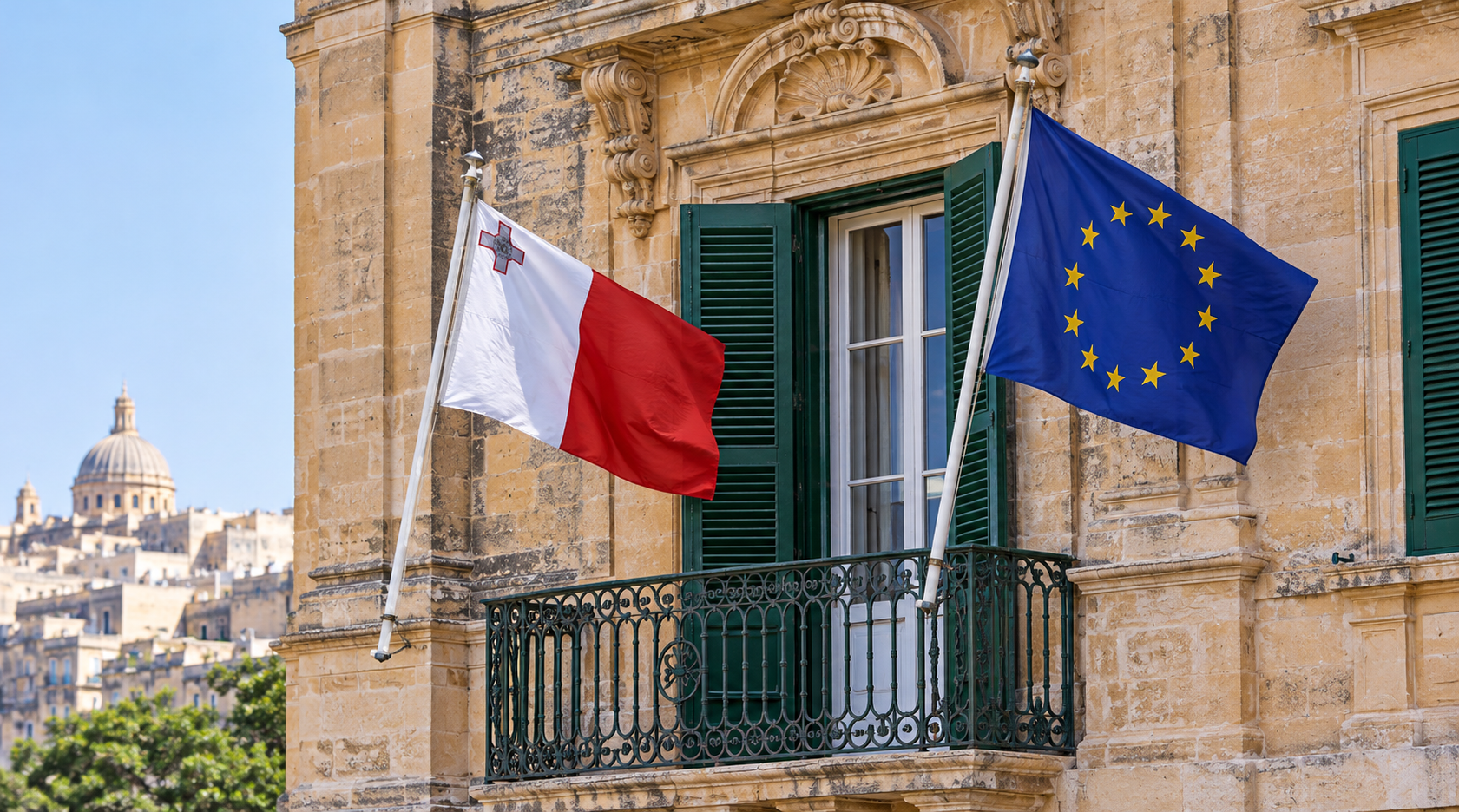
Malta expressed support for public health objectives but argued that the proposed minimum rates are significantly higher than its current national levels, potentially having a disproportionate impact on the local market. Malta also raised concerns regarding the future adjustment mechanism for tax rates and national tax sovereignty.
During discussions, Finland argued that the proposed minimum rate for nicotine pouches was too low, while Estonia focused on ensuring member states retain decision-making power in future tax adjustment procedures.
The divergent demands regarding tax levels and adjustment mechanisms further complicate the path to a unanimous consensus.
What This Means for E-Liquid Manufacturers and Exporters
Differences in tax systems across EU member states are not a new development resulting from this meeting. Even if a minimum excise framework is adopted in the future, the room for member states to maintain higher rates means businesses must continue to plan products on a country-by-country basis.
1. Capacity and Pricing Must Be Calculated Together
In markets applying a specific tax per milliliter, under the same rate, the excise duty on a 60ml product is six times that of a 10ml product, but the retail price and channel margins may not increase proportionally. Therefore, larger capacity does not naturally equate to better pricing advantages. Product development should evaluate capacity and packaging combinations based on the target market’s tax calculation method, retail price band, and channel costs.
2. 0mg Does Not Automatically Mean Tax-Free
The current compromise text covers both nicotine and 0mg e-liquids and does not set a different minimum tax path for them. For nicotine-free products, companies must still verify the current tax scope in the target country and cannot judge tax treatment solely based on “0mg”.
3. Tax and Compliance Conditions Must Be Defined at the Sampling Stage
Once a target market is identified, capacity, nicotine strength, tax calculation methods, retail pricing, and packaging requirements should be evaluated simultaneously, rather than calculating tax burdens after the formula and specifications are fully finalized.
At the same time, product regulations and tax requirements must be verified separately. TPD-related requirements do not replace excise duty, tax registration, or tax stamp obligations; documentation preparation should be based on the specific product and target country regulations.

Minimum Tax Coordination Does Not Equal Uniform Rules
The EU is pursuing a common tax floor, not completely uniform national tax systems. For businesses, tracking negotiation progress and verifying current target country requirements must be done in parallel.
As a GMP-certified and TPD-compliant e-liquid manufacturer, YTOO continues to monitor tax and regulatory changes in key markets, supporting clients with formulation development, product specifications, and compliance documentation based on their target markets.
30,000+ developed formulas | Serving 30+ countries and regions
📩 Email: info@ytoojuice.com
🌐 Website: www.ytoojuice.com
#YTOO #EULiquidTax #ECOFIN #VapeRegulation #ExciseDuty #E-liquidExport #OEM #ODM
Data as of November 10, 2026. The proposed tax rates and schedules mentioned have not been officially adopted and are subject to subsequent documents published by the EU and member state authorities.